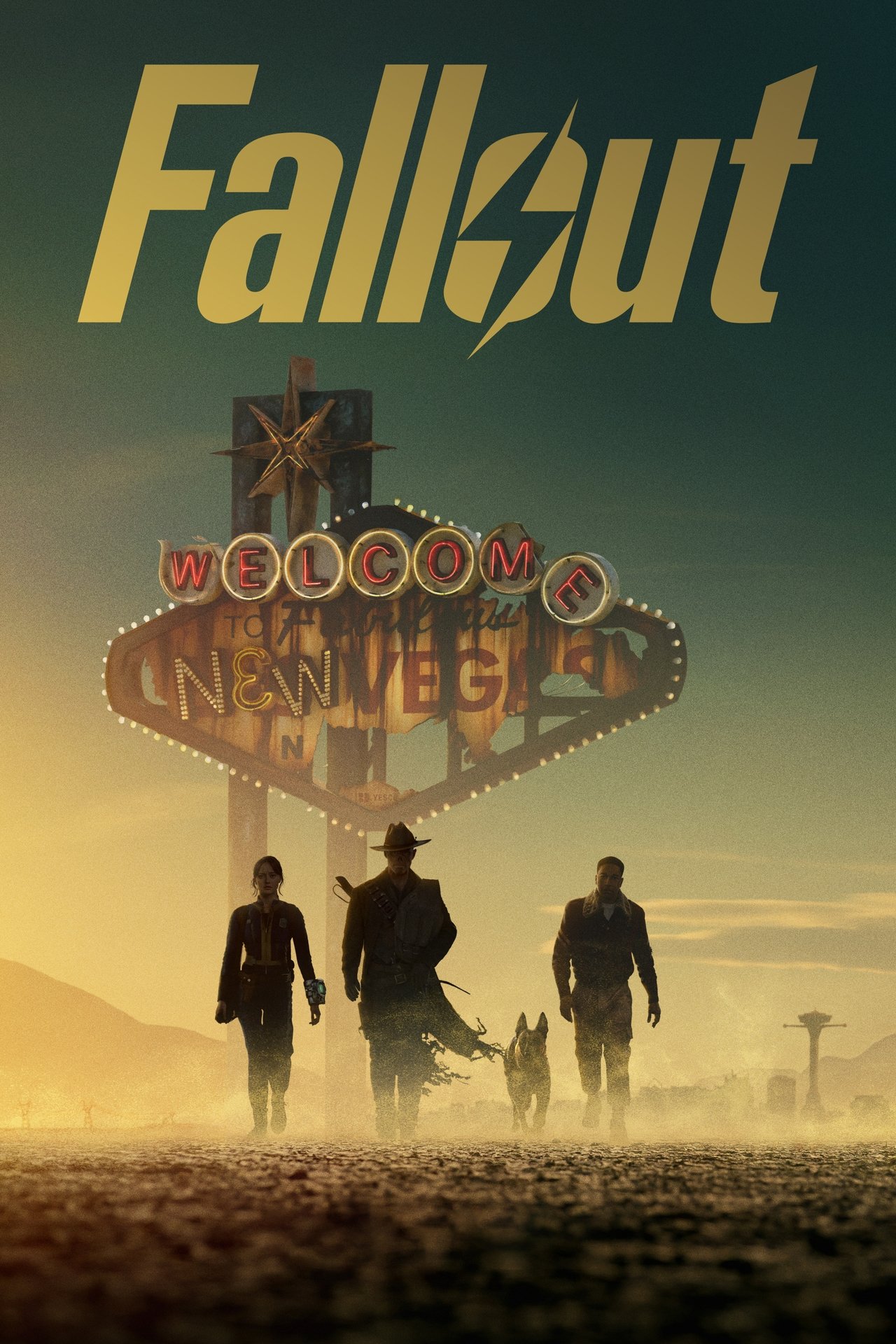
Fallout Summary and Ending Explained
Fallout reveals a brutal truth: the world did not end because humanity failed—it ended because powerful people decided it should.
Fallout follows Lucy MacLean, a Vault Dweller who leaves her sheltered underground home to search for her kidnapped father in a devastated Los Angeles wasteland. As she encounters the Brotherhood of Steel, a ruthless Ghoul, and the remnants of failed civilizations, she discovers that the apocalypse was not an accident. Instead, it was the result of deliberate choices made by corporations like Vault-Tec, turning survival into a controlled experiment that continues long after the bombs fell.
What do you want to understand?
Start with the part of Fallout you care about most.
What Is The Real Conflict In Fallout
The real conflict in Fallout is not between humans and the wasteland, but between different visions of how the future should be controlled. Lucy begins her journey believing in cooperation and rebuilding, but quickly discovers that every major faction—Vault-Tec, the Brotherhood of Steel, and even remnants of the NCR—seeks power over survival. The cold fusion device becomes the focal point of this struggle because it represents more than energy. It represents the ability to decide who gets to rebuild civilization and on what terms.
Why The Wasteland Is Not The True Enemy
At first glance, the wasteland appears to be the greatest threat, filled with radiation, monsters, and decay. But the show makes it clear that the real danger comes from the systems that survived the apocalypse. Vault-Tec continues to manipulate entire populations through hidden experiments, while armed factions enforce control through violence and ideology. The environment is hostile, but it is predictable. Human ambition, on the other hand, remains just as destructive as it was before the bombs fell.
What Fallout Is Really About
Fallout is ultimately about how power structures survive even when the world ends. The nuclear war did not reset humanity into something better—it preserved the same logic of control, greed, and hierarchy in new forms. Lucy's journey is not just about finding her father. It is about realizing that the values she was raised on were part of a controlled narrative. The show suggests that the apocalypse did not create a broken world. It simply revealed what the world already was.
Why Every Faction In Fallout Believes It Should Control The Future
One of the most important ideas in Fallout is that every major faction believes it alone understands how civilization should survive. Vault-Tec believes humanity must be controlled through long-term planning and engineered societies. The Brotherhood of Steel believes advanced technology is too dangerous to exist without strict supervision. Even groups like the NCR attempt to rebuild order through political structure and military power. The wasteland is not simply chaotic. It is filled with competing visions of what the future should become. This is why conflict in Fallout feels larger than survival. Every group is trying to define civilization itself.
Why Fallout Treats The Apocalypse As An Ongoing System Instead Of A Past Event
Most apocalypse stories treat the end of the world as something that already happened. Fallout treats it as something that is still happening. The nuclear war may be over, but the systems that created it never disappeared. Vault-Tec continues shaping generations through the Vaults. The Brotherhood controls technology through force. Entire communities live according to structures created before the bombs fell. The series argues that catastrophe alone does not reset humanity. Instead, old systems adapt and survive inside the ruins.
Why Lucy Becomes The Emotional Center Of Fallout
Lucy matters because she enters the wasteland without cynicism. Unlike characters who already understand violence and corruption, she begins the story believing people fundamentally want cooperation and fairness. This perspective allows viewers to experience the wasteland through someone still capable of shock and hope. As Lucy changes, the audience changes with her. The story is not only about discovering secrets. It is about watching someone decide whether humanity deserves optimism after learning how deeply broken the world truly is.
Why Fallout Is Ultimately About The Survival Of Ideology
Fallout repeatedly shows that ideas survive longer than governments or cities. The old world technically ended, but its beliefs continue shaping every part of the wasteland. Vault-Tec preserves corporate hierarchy. The Brotherhood preserves military discipline and technological control. Even survivors recreate systems of status and power inside ruined societies. The apocalypse destroys infrastructure, but not ideology. That is why the world of Fallout still feels trapped by the same forces that caused its destruction in the first place.
Why Fallout Feels Both Funny And Horrifying At The Same Time
The unique tone of Fallout comes from the contrast between cheerful retro-futuristic imagery and brutal reality. Vault-Tec advertisements promise happiness and safety while secretly preparing for human experimentation and social control. Characters casually discuss horrifying violence alongside upbeat music and corporate branding. This mixture creates dark humor, but it also reinforces the show's deeper message. The old world did not collapse because people stopped smiling. It collapsed because systems of greed and power continued operating beneath the performance of optimism.
Explore the Fallout Universe
Fallout Characters Guide
Understand the major characters in Fallout, how they connect, and why their choices matter to the story.
Fallout Concepts and World Explained
A guide to the concepts, places, organizations, and story mechanics that define Fallout.
Fallout Themes Explained
Explore the deeper ideas behind Fallout: what the story means, why it matters, and how the ending connects to its themes.
Fallout Timeline and Episode Guide
Follow the Fallout story in order, from the opening conflict to the ending and its biggest revelations.
Characters, Concepts, and Themes
The world of Fallout revolves around Lucy MacLean, Hank MacLean, and The Ghoul.