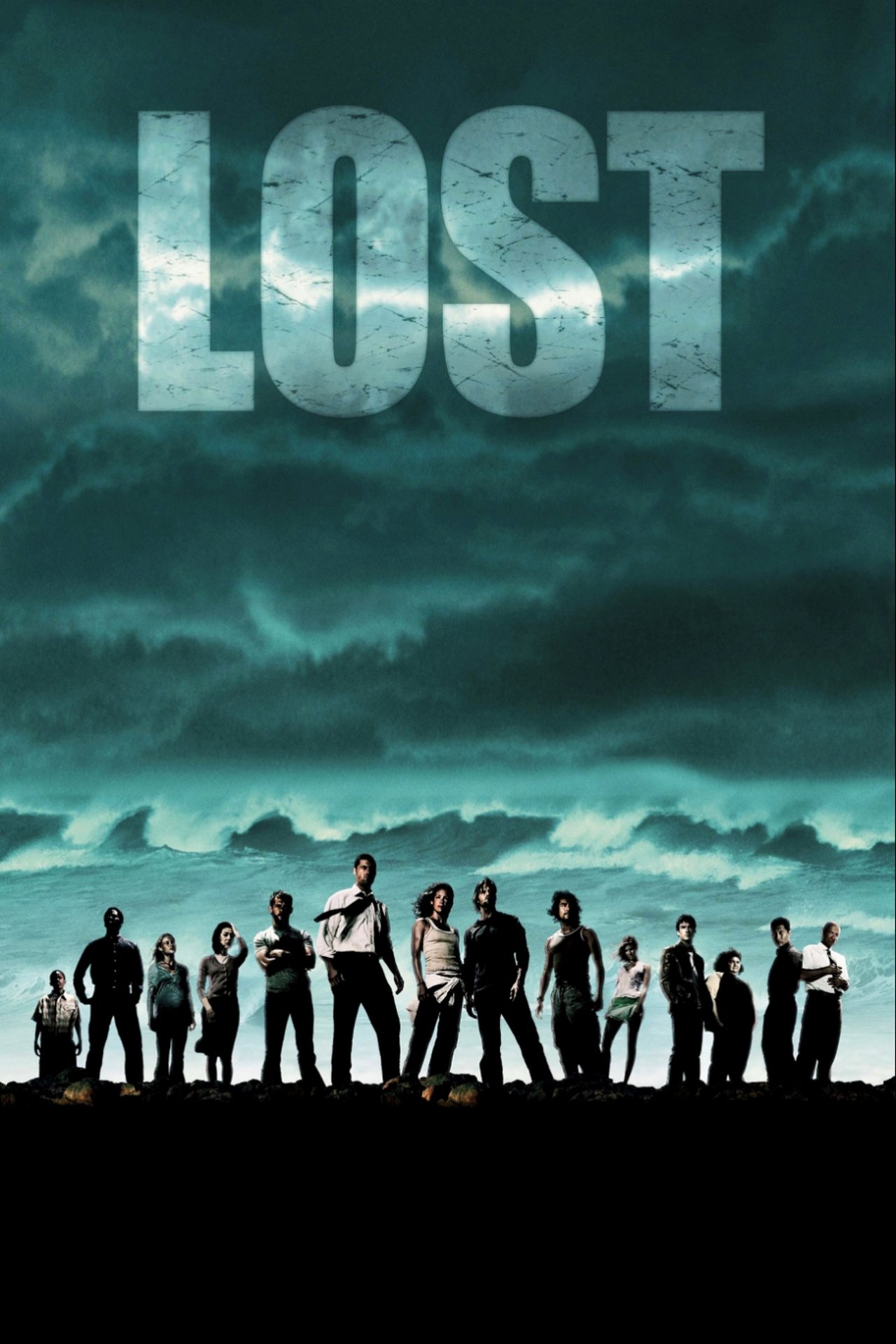
Lost Summary and Ending Explained
A crashed plane, a living Island, and broken people asked to become more than survivors.
Lost begins as a survival story after Oceanic Flight 815 crashes on a mysterious Island, then becomes a story about faith, science, destiny, redemption, sacrifice, and letting go.
Lost follows the survivors of Oceanic Flight 815 after they crash on a hidden Island ruled by old protector systems, Dharma experiments, the Others, and a conflict between Jacob and his brother, the Man in Black. Jack Shephard tries to lead through reason, John Locke treats the Island as destiny, and characters including Kate, Sawyer, Hurley, Sayid, Sun, Jin, Charlie, Claire, Desmond, Ben Linus, and Daniel Faraday confront the lives they were running from. The story expands from beach survival into the Dharma Initiative, Swan Station, the Hatch, the Numbers, the Hostiles, time travel, the Smoke Monster, Jacob's candidates, the Island's light, and the flash sideways. The ending resolves the Island conflict through Jack's sacrifice while the flash sideways shows the characters remembering each other, accepting death, and moving on together.
What do you want to understand?
Start with the part of Lost you care about most.
Core Concepts in Lost
The key people, places, systems, and ideas that explain the story.
The Island
The Island in Lost is the series' central place and mythology hub: a real hidden island that contains the Heart of the Island, electromagnetic energy, healing, time anomalies, DHARMA stations, Jacob's protector system, and the Man in Black's prison. For the direct search answer, see what the Island is in Lost; this page maps how the Island connects the show's factions, locations, rules, and ending.
Dharma Initiative
The Dharma Initiative is the research organization that built stations across the Island to study its electromagnetic, psychological, and time-related anomalies. It matters because Dharma turns the Island from a mystery setting into a contested experiment whose stations, purge, numbers, and Incident shape much of Lost's mythology.
Smoke Monster
The Smoke Monster is the Man in Black's monstrous Island form, able to judge, kill, imitate the dead, and manipulate the living. It matters because it turns grief, guilt, and belief into weapons while pushing the survivors toward Jacob's final succession conflict.
The Numbers
The Numbers are 4, 8, 15, 16, 23, and 42, a recurring sequence tied to the Swan countdown, Hurley's lottery curse, the candidates, and the Island's pattern of fate. They matter because Lost uses them to connect coincidence, Dharma science, Jacob's selection process, and the show's argument about destiny.
Jacob
Jacob is the Island's long-lived protector who brings candidates to the Island as possible successors in his struggle against the Man in Black. He matters because his choices shape the survivors' purpose, the Others' religion-like loyalty, and the final question of who will guard the Island's Light.
Man in Black
The Man in Black is Jacob's brother and the being later trapped as the Smoke Monster after entering the Island's Light. He matters because his desire to leave drives the show's central conflict, corrupts Locke's image, and threatens to extinguish the Island's protective purpose.
The Others
The Others are the Island's native or recruited community who follow Jacob's rules and oppose outsiders such as Dharma and the Oceanic survivors. They matter because they make the Island feel inhabited by an older order with its own hierarchy, rituals, violence, and idea of protection.
Swan Station
The Swan Station is the Dharma hatch where Desmond Hume enters the Numbers every 108 minutes to discharge dangerous electromagnetic energy. It matters because the Swan connects the button, the Hatch, the crash of Oceanic Flight 815, the Incident, and the survivors' faith-versus-science conflict.
Oceanic 815 Turns Survival Into Judgment
The crash strips the survivors of their old identities. Jack becomes a leader before he is ready, Kate cannot keep running, Sawyer hides grief behind cruelty, Sayid faces the violence in his past, and Locke treats the Island as a miracle after it heals his paralysis. The beach camp is not only a survival space; it is a place where buried guilt and desire come back to the surface.
The Island Is The Real Center Of The Story
The Island heals, moves, hides, tests people, and contains a powerful light tied to life, death, rebirth, and electromagnetic energy. Dharma tries to study it, the Others defend it, Widmore tries to regain it, and the Man in Black wants to escape it. Every major mystery points back to the Island as a place where science and myth overlap.
Dharma And The Others Expose The Island's History
The Dharma Initiative turns the Island into a research project, building stations such as the Swan, Pearl, Orchid, Hydra, Flame, Staff, Tempest, Looking Glass, and Arrow. The Others, first seen as Hostiles, treat the Island as sacred territory connected to Jacob through Richard Alpert and later Ben Linus. Their conflict shows that the survivors did not crash into empty wilderness; they entered a long-running struggle over whether the Island should be measured, ruled, protected, or obeyed.
Jack And Locke Make The Mystery Philosophical
Jack begins as a doctor who trusts evidence, medicine, and practical action. Locke believes the Island has chosen them and that suffering can have meaning. Their conflict is not just about leadership. It is the show's central argument about whether the crash was an accident or part of a larger design.
Time Travel Makes Fate Personal
When the Island moves, several survivors shift through time and eventually live inside Dharma's 1977 world. Daniel Faraday explains the key rule, 'whatever happened, happened,' but his own death at Eloise Hawking's hands shows how cruel that rule can be. Time travel in Lost is not a gimmick; it makes the survivors part of the very history they were trying to understand.
The Ending Resolves The Island And The Characters Separately
On the Island, Jack replaces Jacob, stops the Man in Black, restores the light, and dies in the bamboo field. In the flash sideways, the characters remember their real lives and move on after death. The church is not proof that the Island was fake; it is the emotional place where the people changed by the Island finally let go.
Why Lost's Entity Cluster Matters
Lost is built around searchable mysteries that reinforce one another: the Others lead to Ben Linus, Ben leads to Jacob, Jacob leads to the Man in Black, the Man in Black leads to the Smoke Monster, and Dharma leads to the Swan Station, the Hatch, the Numbers, the Incident, and time travel. That structure is why Lost works as a universe rather than a single recap. Every answer opens another relationship, and the emotional meaning of the show comes from seeing how those mysteries reshape the survivors' choices.
Explore the Lost Universe
Lost Characters Guide
Understand the major characters in Lost, how they connect, and why their choices matter to the story.
Lost Concepts and World Explained
A guide to the concepts, places, organizations, and story mechanics that define Lost.
Lost Themes Explained
Explore the deeper ideas behind Lost: what the story means, why it matters, and how the ending connects to its themes.
Lost Timeline and Episode Guide
Follow the Lost story in order, from the opening conflict to the ending and its biggest revelations.
Lost Timeline
Follow the story in the order the world reveals its biggest secrets.
Jacob and the Man in Black become bound to the Island
Their conflict turns the Island's light into the center of a long struggle over protection, corruption, and escape.
The Dharma Initiative builds stations across the Island
Dharma researchers construct the Swan, Pearl, Orchid, Hydra, Flame, and other stations to study the Island's unusual properties.
Oceanic Flight 815 crashes
Desmond fails to enter the Numbers in time, causing an electromagnetic discharge that helps bring the plane down.
The survivors discover the Hatch and the Others
The beach camp learns that the Island contains hidden stations, hostile communities, and long-running conflicts.
The candidates return to the Island
Jack, Kate, Hurley, Sayid, Sun, and others return as the conflict with the Man in Black moves toward its final stage.
Jack restores the light and the survivors move on
Jack saves the Island in life, while the flash sideways shows the characters remembering and letting go after death.
Characters, Concepts, and Themes
The world of Lost revolves around The Island, Dharma Initiative, and Smoke Monster.
Characters
Concepts
Key Story Connections
The Island is directly connected to The Light in Lost's Island mythology and character arcs.
The Island is directly connected to Jacob in Lost's Island mythology and character arcs.
The Island is directly connected to Dharma Initiative in Lost's Island mythology and character arcs.
The Island is directly connected to The Others in Lost's Island mythology and character arcs.
The Swan is Dharma's most consequential station because its electromagnetic protocol leads directly to Desmond's button and the crash of Oceanic 815.
Dharma sees the Island's residents as Hostiles, while the Others see Dharma as a dangerous occupation of protected ground.
The Orchid shows Dharma experimenting around space-time effects and the older Frozen Wheel mechanism.
Dharma's drilling and the 1977 crisis create the emergency that makes the Swan protocol necessary.
Questions About Lost
Theories and Hidden Meanings
The biggest interpretations, symbols, and unresolved mysteries in Lost.
Faith vs Science in Lost Explained
Lost uses Jack and Locke to turn faith vs science into an argument about evidence, grief, miracles, and meaning.
Free Will vs Destiny in Lost Explained
Lost treats destiny as pressure and free will as the moral choice people make inside that pressure.
Why Lost Is Really About Letting Go
Lost is ultimately about letting go of guilt, control, grief, addiction, resentment, and the need to rewrite the past.
Redemption in Lost Explained
Lost presents redemption as painful action rather than simple forgiveness.