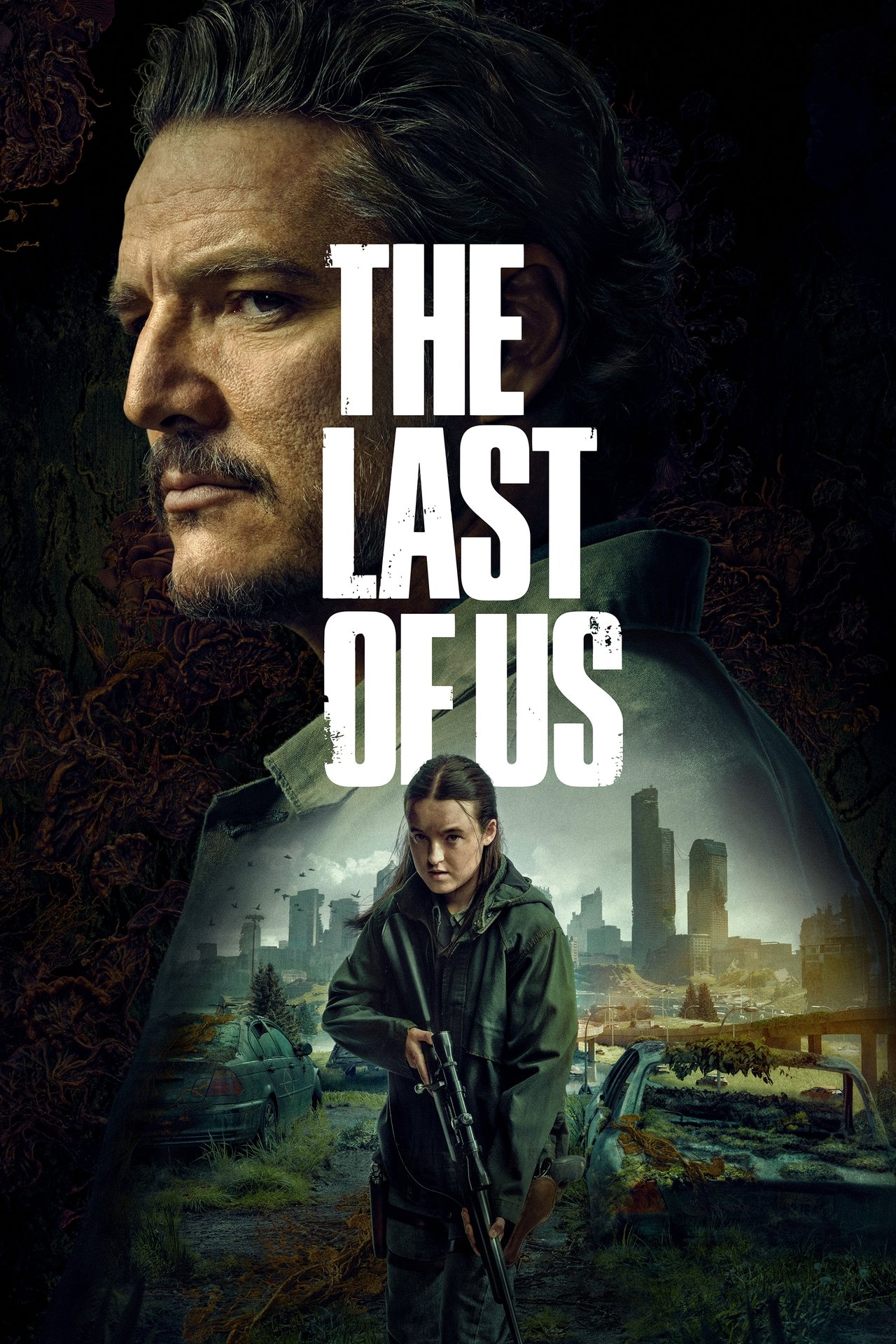
The Last of Us Summary and Ending Explained
The Last of Us is not about saving the world—it is about choosing one person over the world and living with the consequences.
Set 20 years after a fungal apocalypse, The Last of Us follows Joel, a hardened smuggler, and Ellie, a teenage girl who may hold the key to a cure. What begins as a mission to deliver Ellie to the Fireflies becomes something far more personal. As they cross a broken America, Joel finds a second chance at being a father, while Ellie searches for meaning in her survival. By the end, the story abandons the idea of saving humanity and focuses on a single devastating choice: whether love is worth more than the future of the world.
What do you want to understand?
Start with the part of The Last of Us you care about most.
Core Concepts in The Last of Us
The key people, places, systems, and ideas that explain the story.
Joel Miller
Joel is a smuggler and grieving father whose bond with Ellie turns a delivery mission into a violent act of parental protection.
Ellie Williams
Ellie is the immune teenager whose bite, grief, and need for meaning make her the emotional center of the cure conflict.
Sarah Miller
Sarah is Joel's daughter, and her death on outbreak night becomes the wound that shapes every later choice he makes for Ellie.
Tommy Miller
Tommy is Joel's brother, a former Firefly and Jackson resident who represents the life Joel might have rebuilt if grief had not hardened him.
Tess
Tess is Joel's smuggling partner whose sacrifice at the State House turns Ellie from cargo into a responsibility Joel cannot fully abandon.
Bill
Bill is the isolated survivor whose life with Frank proves that survival becomes meaningful only when it protects love instead of just property.
Frank
Frank is Bill's partner, and his desire for beauty, neighbors, and dignity turns Lincoln from a bunker into a life.
Henry
Henry is Sam's older brother, a protector whose betrayal of Kathleen's resistance shows how family love can destroy public loyalty.
What Is The Real Conflict In The Last Of Us
The real conflict in The Last of Us is not humans versus infected—it is love versus survival. The Fireflies believe that sacrificing Ellie for a cure is justified if it saves humanity. Joel believes that no cause is worth losing her. This creates a moral conflict with no clean answer. The show forces the audience to confront a disturbing question: if saving the world requires killing someone you love, is it still the right choice?
Why The Apocalypse Is Not The Real Problem
The Cordyceps infection destroys civilization, but it is not the true source of suffering. The real damage comes from what humans become in response to it. FEDRA rules through fear, the Fireflies use violence in the name of hope, and survivors form brutal communities to stay alive. The apocalypse reveals rather than creates human nature. The infected are predictable—people are not.
What Joel And Ellie's Relationship Really Represents
Joel and Ellie's relationship is not just emotional—it is the core argument of the story. Joel begins as a man who has shut down after losing his daughter. Ellie forces him to feel again. As their bond deepens, Joel shifts from survival mode to protection at any cost. By the end, Ellie is no longer a mission—she is his reason to live. That transformation is what makes his final decision inevitable, even if it is morally indefensible.
The Universe Is Built On Love After Institutional Collapse
The Last of Us works because the infected are never the only threat. FEDRA, the Fireflies, raiders, David's group, and even Joel's final choice all show people rebuilding power after the old world dies. The Cordyceps outbreak creates the apocalypse, but the real universe is defined by what survivors decide love, safety, and community are worth.
Ellie Turns The Cure Plot Into A Moral Crisis
Ellie is not a normal mission objective. Her immunity makes her the only known path toward a possible cure, but her grief over Riley, Sam, Tess, and everyone she could not save makes that immunity feel like a debt. The finale hurts because Joel saves a person he loves while destroying the version of meaning Ellie might have chosen for herself.
Season 1 Is A Road Map Of Broken Societies
Each stop teaches Joel and Ellie a different survival model: Boston is militarized control, Bill and Frank are chosen intimacy, Kansas City is revenge politics, Jackson is communal repair, David's settlement is predation, and Salt Lake City is utilitarian sacrifice.
Explore the The Last of Us Universe
The Last of Us Characters Guide
Understand the major characters in The Last of Us, how they connect, and why their choices matter to the story.
The Last of Us Concepts and World Explained
A guide to the concepts, places, organizations, and story mechanics that define The Last of Us.
The Last of Us Themes Explained
Explore the deeper ideas behind The Last of Us: what the story means, why it matters, and how the ending connects to its themes.
The Last of Us Timeline and Episode Guide
Follow the The Last of Us story in order, from the opening conflict to the ending and its biggest revelations.
The Last of Us Timeline
Follow the story in the order the world reveals its biggest secrets.
When You're Lost in the Darkness
In 2003, Joel attempts to flee Austin with his daughter Sarah as the outbreak begins, only for her to be killed by a soldier. Twenty years later, Joel is a cynical smuggler in the Boston QZ who is tasked with escorting a mysterious girl named Ellie to a group of rebels.
Infected
The group travels through a flooded, abandoned museum where they encounter 'Clickers' for the first time. Tess is bitten during the fight and chooses to sacrifice herself to ensure Joel and Ellie can escape.
Long, Long Time
Joel and Ellie travel to Bill's fortified town. The episode shows a 20-year flashback of Bill, a survivalist, who finds a partner in Frank and builds a sanctuary before they choose to die together.
Please Hold to My Hand
While driving through Kansas City, Joel and Ellie are ambushed by a violent group of revolutionaries. They are forced to hide in the city ruins, where they eventually encounter two brothers on the run.
Endure and Survive
Joel and Ellie team up with Henry and Sam to escape the city through underground tunnels. They are cornered by Kathleen's forces, but a massive infected horde erupts from the earth, causing a massacre.
Kin
Joel and Ellie find a thriving community in Jackson, Wyoming, where Joel's brother Tommy lives. Joel admits his fear of losing Ellie and tries to leave her with Tommy, but eventually decides to stay with her.
Characters, Concepts, and Themes
The world of The Last of Us revolves around Joel Miller, Ellie Williams, and Sarah Miller.
Questions About The Last of Us
Theories and Hidden Meanings
The biggest interpretations, symbols, and unresolved mysteries in The Last of Us.
Why Joel's Choice Was Inevitable
Joel's choice is inevitable because the story spends the entire season rebuilding one attachment powerful enough to override every abstract moral argument.
Why Ellie Represents Survivor's Guilt
Ellie represents survivor's guilt because immunity does not make her feel chosen; it makes every death around her feel like a debt she has to repay.
Why Love Becomes Violence
Love becomes violence in The Last of Us because the post-outbreak world removes every stable institution that might separate protection from possession.
Why The Cure Was Never The Point
The cure was never the point because The Last of Us uses the possibility of saving humanity to expose what people do when one real person stands in front of an abstract future.